A tide table is an exposure tool
The picture planned at the kitchen table rarely survives the walk down, because the sea is not where it was the last time. A tide table costs nothing and removes most of the surprise. Read it the evening before, together with the time of sunset, and half the decisions about focal length and exposure time are already made.
Four states and what they give
| State | What is there | What it suits |
|---|---|---|
| Low water | Wet sand, pools, the feet of the groynes | Reflections, texture, wide lenses close to the ground |
| Flood, first half | Water creeping over flat sand, slowly | Long exposures with a clear edge between wet and dry |
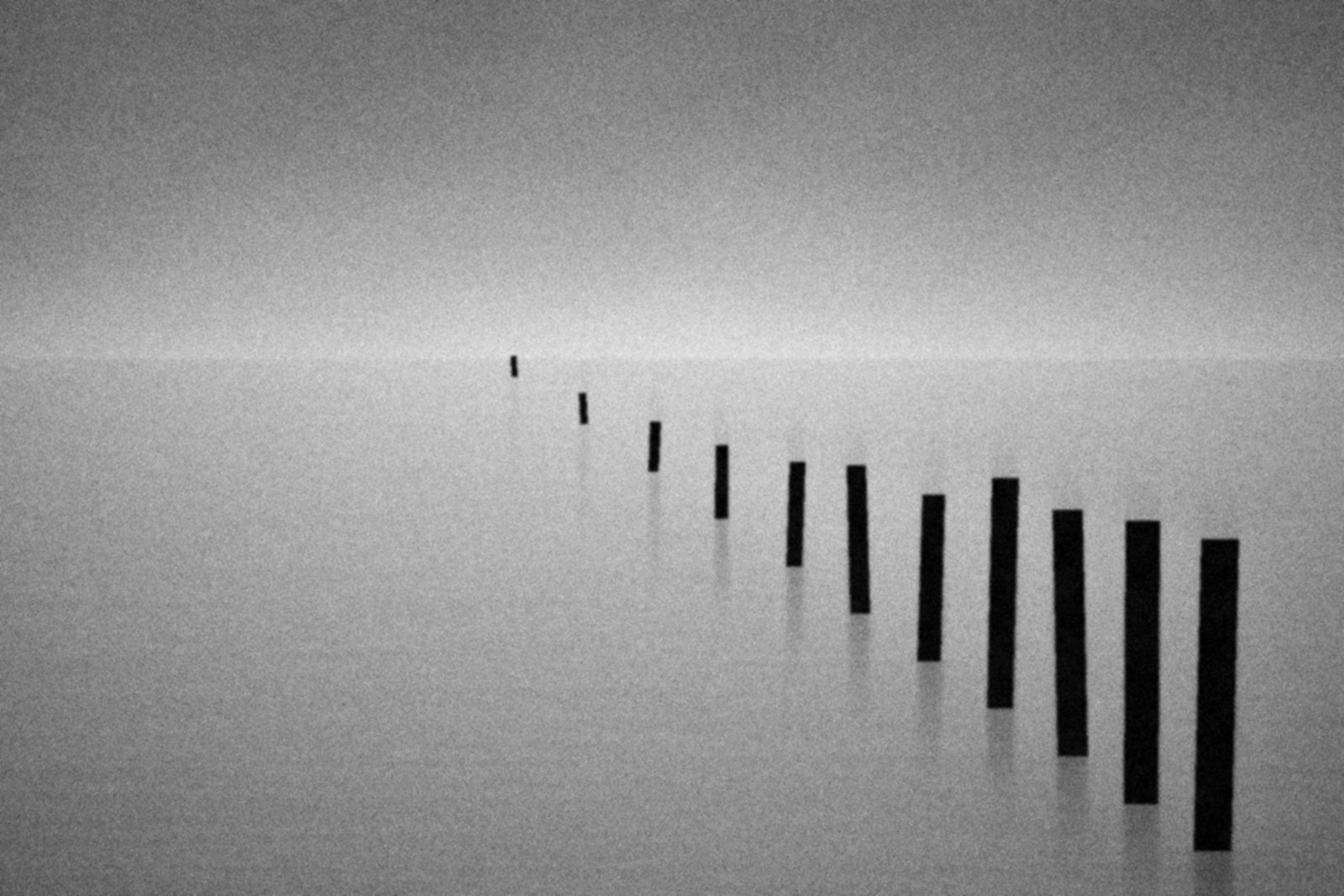
| High water | Posts and rocks half sunk, surf against the wall | Mist around solid shapes, 20 seconds and longer |
| Ebb, first half | Water draining through shingle and off the weed | Streaks: one to four seconds draws the lines |
The middle two hours of a rising or falling tide move the most water. On a flat beach the edge can travel a metre in a minute, which is worth knowing with a tripod in it.
The exposure follows the water
How long the shutter stays open is a decision about the sea's surface, not about light. Half a second keeps the shape of a wave. Two seconds draws its retreat as lines. Thirty seconds flattens everything into fog with the rocks standing in it, and four minutes makes a sheet of metal. Choose the surface first, then reach for whatever filter makes that time possible at an aperture the lens is good at.
A plan that fits on a card
- Time of low and high water, and their heights. A spring tide uncovers ground that a neap tide never does.
- Time of sunset and the end of civil twilight. The useful light lasts about forty minutes after the sun has gone.
- Where the way out is when the water is up. Some coves have one, and it floods first.
- Which way the wind blows the spray. Stand with it on your back, or wipe the filter before every frame.
None of this guarantees a picture. It does mean that the hour by the water is spent looking rather than waiting for the sea to arrive where you hoped it would be.